
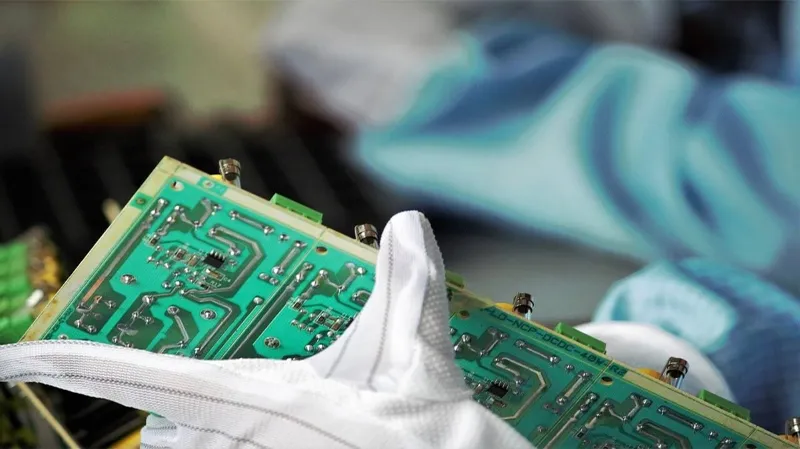
PCB Router Depaneling Machine plays a critical role in high-density PCBA production, where component spacing continues to shrink, and reliability requirements keep rising. In real manufacturing environments, routing is no longer just a separation step—it directly influences yield stability, long-term performance, and downstream assembly quality. This article shares practical lessons learned from engineers working with dense PCBAs across automotive, industrial, and medical electronics.
⚙️ Why High-Density PCBAs Expose Routing Weaknesses
As PCB designs evolve, routing challenges become more visible. High-density layouts typically feature:
- Components positioned close to board edges
- Fine-pitch BGAs and ceramic capacitors are sensitive to stress
- Multi-layer stacks with mixed material properties
In such cases, even small routing deviations can translate into mechanical stress, micro-cracks, or solder joint fatigue that only appears during reliability testing.
🧩 Lesson 1: Mechanical Stress Is Often Underestimated
Many production issues traced back to depaneling were initially misdiagnosed as soldering or design problems. Field data shows that:
- Excessive cutting force can flex populated areas
- Inconsistent feed rates amplify stress at corner transitions
- Poor panel support transfers vibration directly to components
Teams that introduced optimized routing paths and improved panel fixturing observed measurable reductions in cracked MLCCs and edge-related defects.
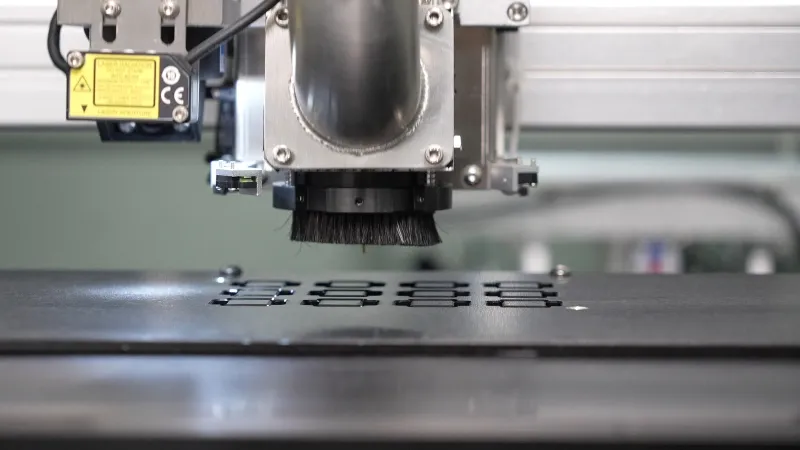
🪚 Lesson 2: Tool Condition Directly Affects Edge Quality
Router bit wear is gradual and often invisible during short production runs. However, worn tools can cause:
- Rough edges and resin smear
- Increased heat generation along the cut line
- Higher burr formation near copper layers
Regular tool life tracking and scheduled replacement proved more effective than reactive inspection. Several EMS lines reported improved consistency after switching from time-based to cut-length-based tool management.
🔧 Lesson 3: Panel Support Defines Process Stability
High-density panels are more susceptible to flex during routing. Engineers found that insufficient support leads to:
- Localized stress peaks near edge components
- Inconsistent cut depth across the panel
- Higher variation between boards in the same panel
Vacuum fixtures with full-area support, combined with controlled routing sequences, significantly improved repeatability and reduced board-to-board variation.
📉 Cost Perspective: Preventive Control vs. Reactive Repair
While router depaneling systems require a higher initial investment compared to simple blade solutions, real production data highlights hidden cost advantages:
- Lower scrap rates caused by latent edge damage
- Reduced electrical failures during functional testing
- Less rework and manual inspection effort
When evaluated over long production cycles, routing optimization often resulted in lower total cost per assembled board.
🏭 Case Insight: Industrial Control PCBAs
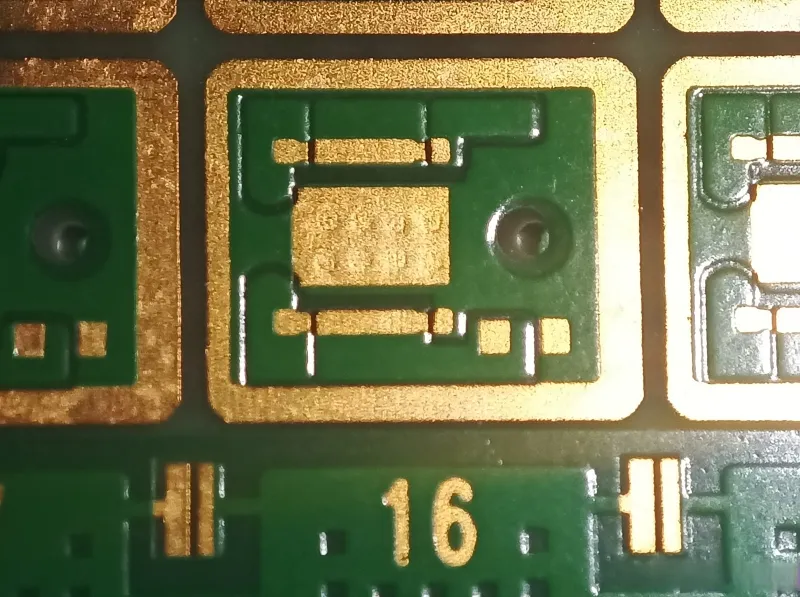
An industrial control PCBA manufacturer experienced intermittent failures during thermal cycling tests. Root cause analysis revealed stress concentration near routed edges. After adjusting routing depth, feed rate, and fixture design, failure rates dropped by over 30% without any design changes.
🛠️ Practical Takeaways for High-Density Production
- Treat depaneling as a reliability-sensitive process
- Optimize routing parameters based on board thickness and layout
- Maintain router bits proactively, not reactively
- Invest in proper panel support and vibration control
These lessons underline that stable routing is the result of process discipline, not just machine capability.
💬 Why Choose SEEZM-TEC?
SEEZM-TEC focuses on industrial-grade PCB router depaneling solutions designed for durability, precision, and long-term production stability. Our systems support high-density PCBA manufacturing by emphasizing stress control, consistent edge quality, and reliable mechanical performance.
If you would like to discuss routing challenges or explore suitable depaneling solutions for your production line, please feel free to contact us.
WhatsApp: +8618929266433
E-mail: sales@seprays.com